
What Is Manual Lymphatic Drainage (MLD)?
What is manual lymphatic drainage? Learn how this clinical hands-on therapy supports fluid movement, recovery, heavy legs, and swelling relief.
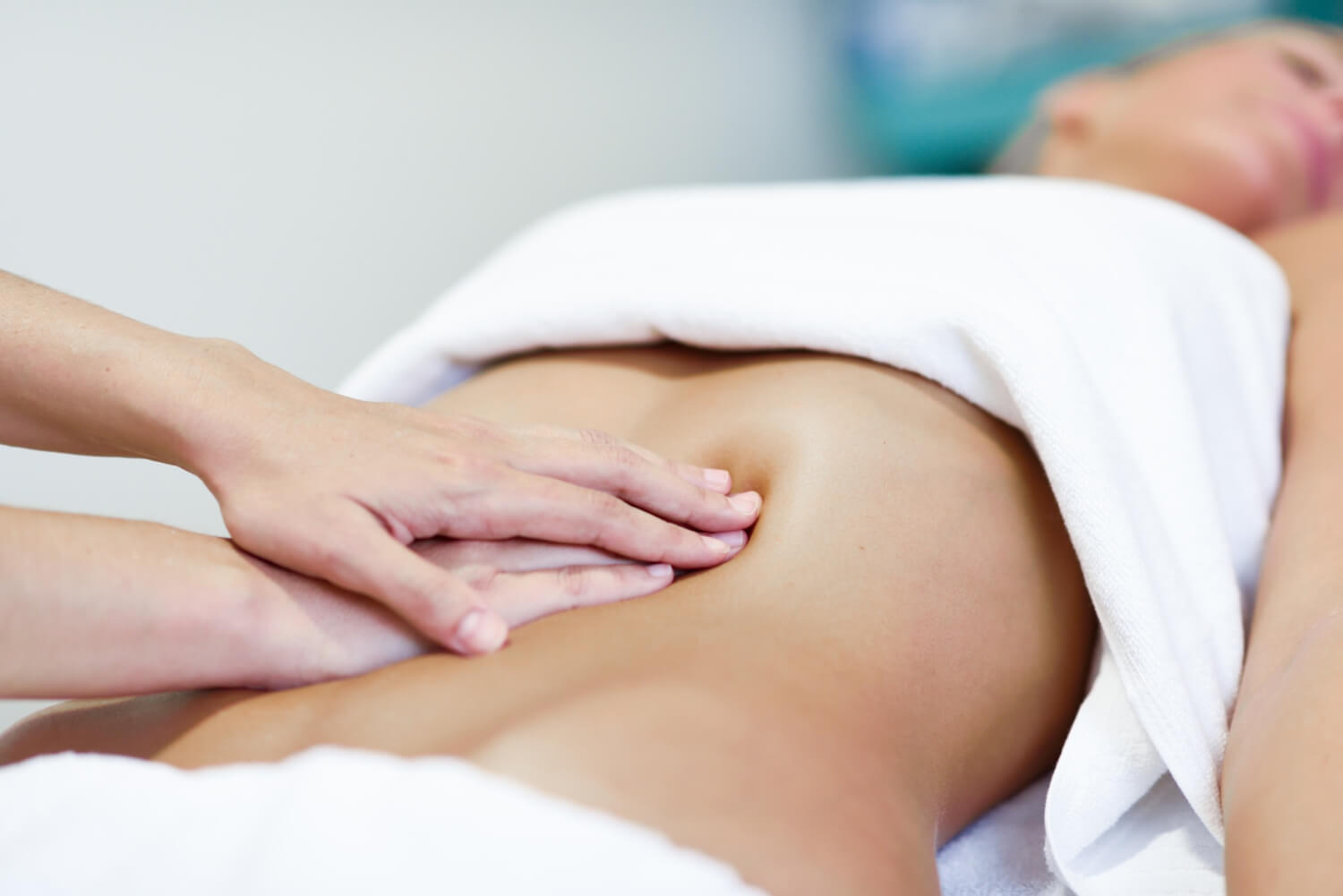
Manual Lymphatic Drainage—in Greek, often referred to as λεμφικό μασάζ, λεμφική μάλαξη, or λεμφική θεραπεία—and shortened to MLD, is a highly specific hands-on therapy designed to support the movement of lymph fluid through the body.
Lymph is a crucial part of your circulatory and immune functions. It helps transport excess fluid, proteins, cellular debris, and metabolic waste away from tissues so they can be filtered and managed by your lymphatic system.
Unlike your vascular circulatory system, which relies on the heart to pump blood, the lymphatic system does not have its own pump. It depends entirely on physical movement, muscle contraction, and unobstructed channels for fluid flow. Near the end of its path—by the collarbone (clavicle)—the lymph fluid drains back into the bloodstream to be filtered by the liver and kidneys. Once filtered, your body decides how much water to recirculate and how much to dispose of.
When that movement slows due to partial obstruction or thickened fluid, you may notice bloating, swelling, internal pressure, puffiness, or a general sense that your body is not clearing waste efficiently. This is when your lymphatic system benefits from a reset.
At a clinical level, MLD is not simply a standard massage with lighter pressure. That misunderstanding is common, and the distinction matters. Manual Lymphatic Drainage uses precise rhythm, direction, sequencing, and skin-stretching pressure to influence superficial lymphatic vessels just beneath the skin. If the pressure is too deep or fast, it bypasses the superficial system entirely. In the abdominal area, however, controlled deeper pressure can be applied intentionally to target the deep abdominal lymph node basins.
What Manual Lymphatic Drainage Actually Does
The primary goal of MLD is to optimize fluid dynamics by guiding excess tissue fluid back into the circulatory system. At INTUNE Massage Studio in Nicosia, we use controlled, intentional touch to encourage lymph flow toward functioning lymph nodes and clearing pathways. This helps reduce localized fluid stagnation, supports metabolic waste removal, and creates a lighter, less congested tissue environment.
For the right client, this translates into practical, real-world outcomes:
- Relief from Summer Swelling: Legs feel lighter, especially during the hot Cyprus summer when dilated blood vessels and prolonged sitting or standing increase lower-limb fluid pooling.
- Desk-Worker Recovery: Corporate professionals spending long hours at desks in central Nicosia notice less puffiness and less dull, compressed fatigue through their calves and feet.
- Athletic Regeneration: Runners training at the Strovolos Running Track in the afternoons often find that post-session recovery happens faster and more efficiently, especially when cumulative training load exceeds natural recovery capacity.
MLD also exerts a powerful effect on the nervous system. Because the work is slow, methodical, and non-threatening, it calms protective muscle guarding and shifts the body out of a stress-dominant state. Tissue congestion is rarely purely mechanical—stress chemistry, poor sleep, desk posture, intense heat, and training fatigue all interact.
How MLD Differs from Regular Massage
Many people expect “massage” to mean deep pressure, friction, and muscular intensity. Manual Lymphatic Drainage is intentionally different.
In deep structural work or sports therapy, we target muscle density, fascial restrictions, and joint imbalances through direct physical load. In MLD, the therapist works with the fluid system rather than against muscular tension. The touch is lighter, but the clinical intent is just as focused—it is simply targeting a different physiological system.
That means MLD is the ideal approach when your main issue is fluid retention, tissue puffiness, post-travel swelling, heavy legs, or systemic sluggishness, rather than deep structural muscle knots. It can also complement structural bodywork. If a client presents with both desk-bound upper-back compression and lower-body fluid heaviness, the best strategy isn’t always more pressure. Often, the body needs fluid clearance and nervous system recalibration before deeper muscular work can be effective.
Who Benefits Most from MLD?
Manual Lymphatic Drainage is particularly valuable for anyone who feels swollen, heavy, heat-loaded, or slow to recover. We commonly see three main groups:
- People Facing Heat-Related Swelling: Across the long Cyprus summer, many people experience ankles, feet, and legs that feel heavy and overfull by the end of the day. This isn’t always pathological; it often reflects heat, circulatory demands, and daily habits combining to slow down fluid return.
- Individuals Focusing on Body Composition: Drainage is an essential first step in any body-shaping or weight-loss journey because it clears trapped interstitial fluid before you tackle deeper tissue goals.
- Office Professionals & Travelers: Sitting for hours reduces the natural muscular pumping action in the calves and hips, slowing venous and lymphatic return. Combined with air conditioning, hydration changes, or flights, the body quickly feels pooled and compressed.
What a Session Feels Like
If you have never experienced clinical MLD, the sensation can be surprising. The work is gentle, rhythmic, and deliberate. We aren’t chasing muscle soreness or forcing a knot to release—we are following anatomical drainage pathways.
A session begins by preparing central node basins (like those in the neck and abdomen) before moving to peripheral areas like the arms or legs. This precise sequence is why trained technique matters: the body clears fluid best when central pathways are opened first rather than attacking swelling where it is most obvious.
Most clients find the experience deeply relaxing. The body feels quieter during the session and noticeably lighter afterward. You may notice an increased need to urinate post-session as your body processes and eliminates the cleared fluid.
What MLD Cannot Do
A serious practitioner must be honest about clinical boundaries. MLD is exceptional for supporting fluid balance, reducing heaviness, and aiding recovery, but it is not a cure-all.
- When to Seek Medical Evaluation First: If swelling is sudden, painful, asymmetric (one-sided), or accompanied by redness or systemic symptoms, it requires medical evaluation prior to bodywork.
- Contradictions & Safety: MLD is not suitable during acute infections, fever, severe inflammation, acute sunburns, or over areas with pronounced varicose veins.
- Lifestyle Factors: If you are sleeping poorly, under-hydrated, sitting for ten hours a day, and training intensely in peak summer heat, one session will offer great relief, but it cannot override total systemic load. Bodywork works best as part of a consistent maintenance strategy.
How MLD Affects Fatty Tissue
To be clear: lymphatic drainage does not burn or reduce fat tissue directly. However, it significantly reduces the fluid volume trapped between and around fat cells that pushes them to the surface.
After a session, the skin appears smoother and the treated area looks less puffy. Because lymphatic fluid and adipose tissue frequently coexist in congested areas, clearing excess fluid allows your body to respond much better to your broader nutrition and exercise efforts.
Why Technique and Training Matter
Because MLD feels gentle, people often underestimate the skill required to perform it correctly. In reality, manual lymphatic drainage demands advanced anatomical knowledge, refined touch, and disciplined restraint. A trained therapist knows precisely where fluid needs to go, how much pressure the superficial vessels can take, and when a condition requires medical referral rather than treatment.
At INTUNE, our practice is grounded in formal qualification through a certified iTEC program (International Therapy Examination Council). This rigorous training ensures that every technique applied in our studio adheres to strict international clinical standards for safety, precision, and anatomical accuracy. For our clients, this means your treatment is never based on guesswork or generic spa routines—it is delivered with certified professional expertise.
Is Manual Lymphatic Drainage Right for You?
If your body feels swollen, heavy, heat-loaded, or sluggish, MLD is one of the most effective ways to restore light, easy movement. If your primary concern is purely deep muscular tightness, a structural approach may be better suited—or a custom combination of both.
A well-functioning body should not constantly feel heavy, bloated, or overburdened. Sometimes the most powerful recovery work isn’t deeper pressure, but better flow.
Book your Lymphatic Drainage session at INTUNE Nicosia to check live availability and reserve your treatment.
What our Clients say about their experience at INTUNE:
























Ready to try? Schedule your session.
If you are booking a Lymphatic Session for the first time, add a Free Consultation to evaluate your personal needs, explain the theory and create a plan for the upcoming sessions.