Water Retention: Why Summer Heat in Cyprus Makes You Feel Swollen (and How MLD Helps)
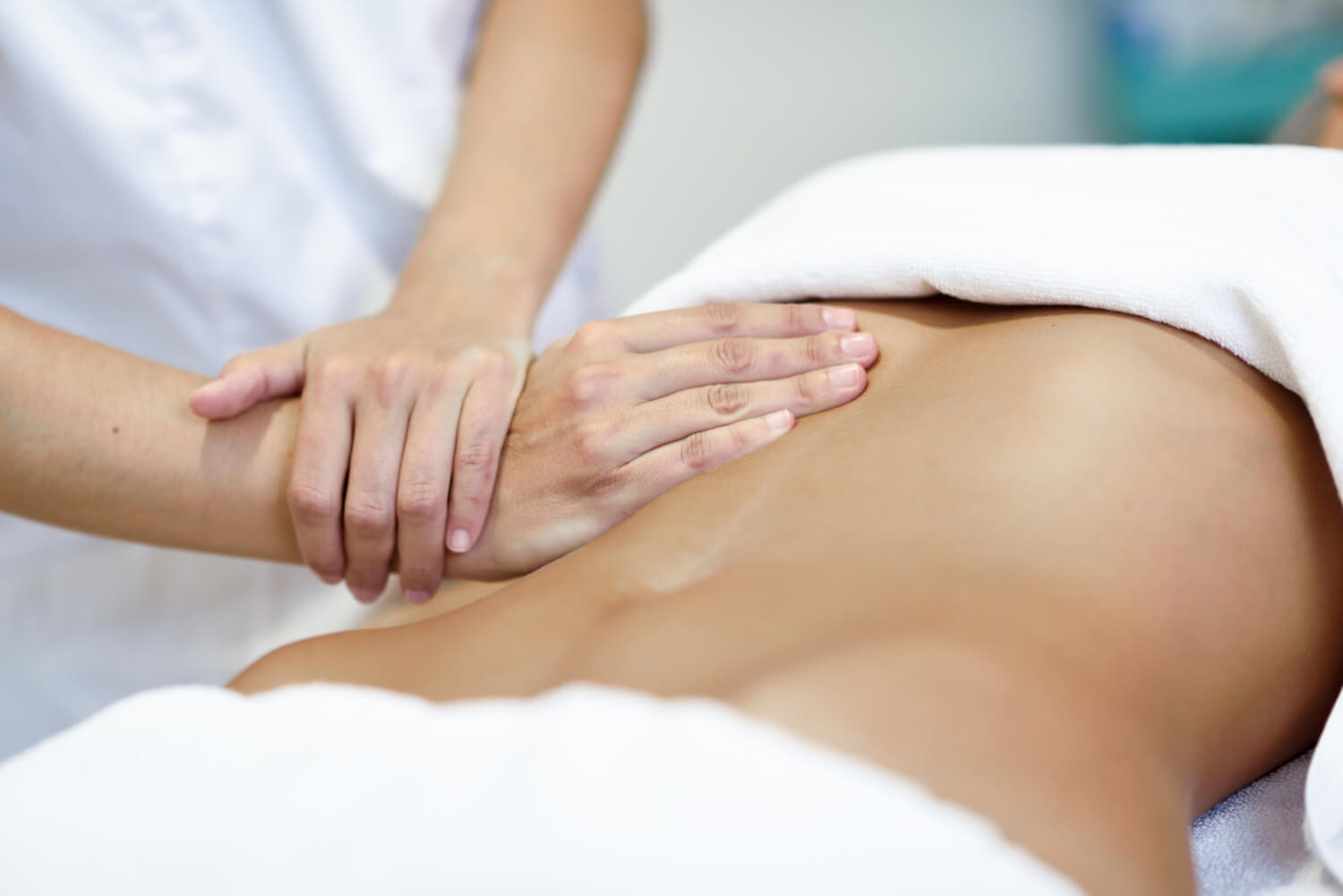
Targeted abdominal MLD helps clear central fluid stagnation and relieve heat-induced bloating.
That heavy, puffy feeling in your legs, ankles, or abdomen—you aren’t imagining it, it’s real. It’s trapped fluid.
Especially if you are staying in Nicosia, where temperatures run significantly higher than the coastal towns, you might notice your body getting far puffier than you are used to back home in cooler climates like Northern Europe.
If you live or work in Cyprus full-time, you are likely already familiar with the intense heat. But even for locals, combining high temperatures with long hours sitting or standing at work, travel, and daily stress means your circulatory and lymphatic systems easily become sluggish. When interstitial fluid gets trapped in your tissues and leaves you feeling bloated, standard rest isn’t always enough to clear it.
Expat & Visitor Tip: Recently relocated to Cyprus from a cooler climate? Inland Nicosia heat frequently causes sudden leg swelling and fluid retention within your first few weeks as your body attempts to regulate its temperature.
Why Nicosia’s Heat & Climate Trigger Fluid Retention
Your lymphatic system is your body’s internal drainage network. Unlike your cardiovascular system, which relies on the heart to pump blood, your lymph system relies entirely on muscle movement, deep breathing, and pressure changes to transport fluid.
When Mediterranean heat causes your blood vessels to dilate (vasodilation), fluid leaks into surrounding tissues much faster than your lymph system can collect it. Add hours of sitting in air-conditioned offices or driving across the city, and gravity pulls that excess fluid straight down into your lower limbs.
Common Signs of Fluid Sluggishness:
- Heavy, aching legs and tight ankles by the end of the day or after long flights.
- Persistent abdominal bloating that feels structural rather than digestive.
- Puffy hands and fingers, making rings feel tight.
- Facial puffiness, particularly around the jawline and eyes in the morning.
How Manual Lymphatic Drainage (MLD) Resets Your System
Manual Lymphatic Drainage is a specialized, light-touch clinical technique designed to gently stretch skin structures and stimulate the natural rhythm of your lymph vessels.
Unlike deep tissue massage, which focuses on heavy muscle structures, MLD works directly on the superficial fluid networks just beneath the skin. By systematically clearing central node basins—like those in the neck, deep abdomen, and groin—MLD accelerates the removal of trapped fluid, metabolic waste, and inflammatory markers.
Our Specialized Approach at INTUNE
We pair traditional, evidence-based MLD with targeted fascial preparation. By applying gentle, localized heat—such as warm basalt stones—to areas of tight fascia before clearing the lymphatic pathways, the connective tissue relaxes. This allows trapped fluid to release far more efficiently than standard massage alone.
Recommended Treatment Plan:
- Initial Reset (3 Sessions): To notice significant debloating, clear trapped volume, and jumpstart your system, we recommend an initial series of 3 sessions over 2–3 weeks.
- Monthly Maintenance: Because heat, stress, and desk work are ongoing, long-term results require regular care. A monthly MLD session maintains fluid velocity and prevents retention from returning.
What You Will Feel After a Lymphatic Massage Session:
- Immediate relief from leg heaviness and joint tightness
- Reduced puffiness and a visibly de-bloated silhouette
- Deep autonomic relaxation and improved sleep quality
- Increased fluid elimination as your body processes cleared volume
Struggling with the Cyprus heat or recent travel swelling? Book your specialized Manual Lymphatic Drainage session in Nicosia to restore your body’s natural balance and comfort.
What our Clients say about their experience at INTUNE:


























Ready to try? Schedule your session.
If you are booking a Lymphatic Session for the first time, add a Free Consultation to evaluate your personal needs, explain the theory and create a plan for the upcoming sessions.